Isle of Skye in Bad Weather: The Ultimate Rainy Day Contingency Plan
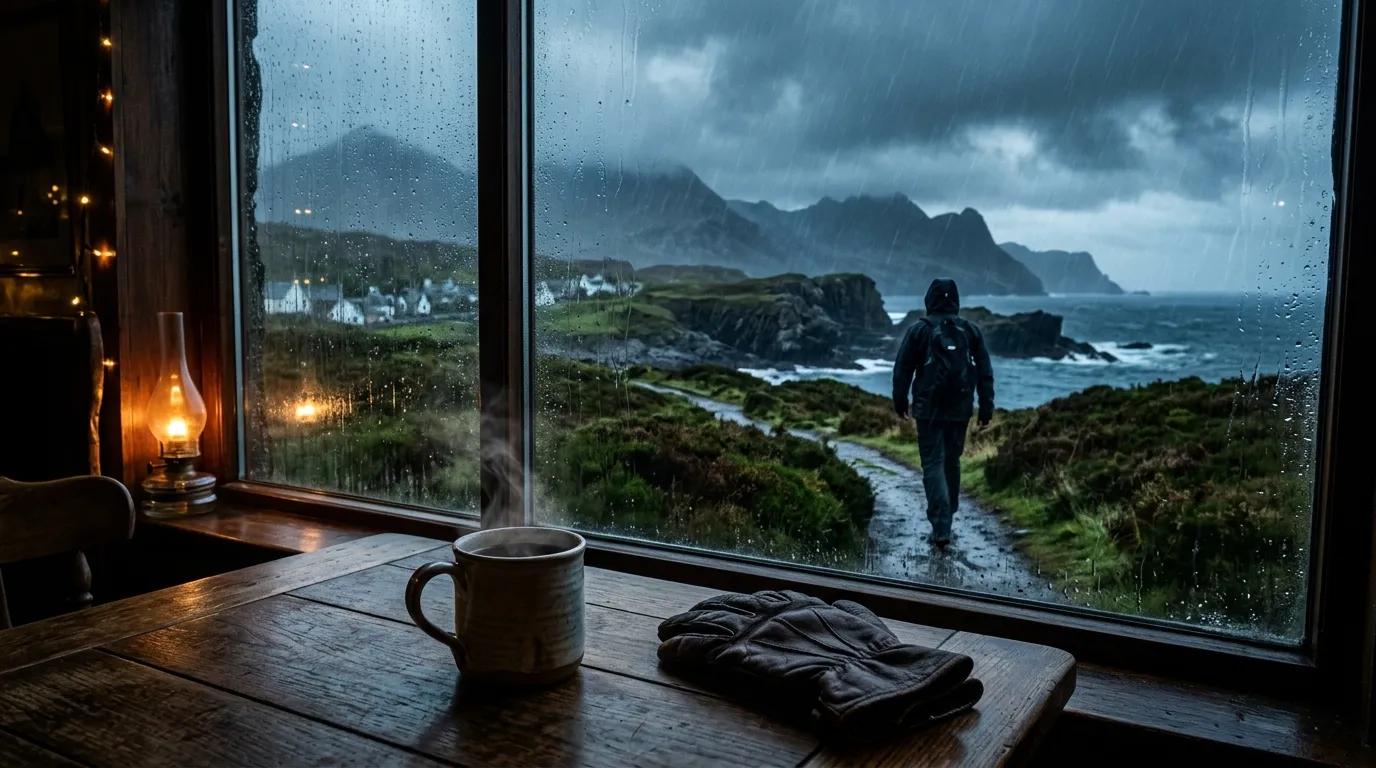
There is an old Highland saying that if you do not like the weather on the Isle of Skye, you simply need to wait ten minutes. While the island's dramatic peaks, rugged coastlines, and ethereal landscapes are legendary, its notoriously unpredictable climate means that rain, wind, and low-hanging mist are frequent companions for travelers. Far from ruining a holiday, however, encountering the Isle of Skye in bad weather offers a uniquely atmospheric perspective of the Inner Hebrides. Rather than retreating to your accommodation with a sense of disappointment, a well-prepared visitor can transform a stormy day into an unforgettable cultural and culinary adventure. From world-class whisky distilleries and historic clan castles to artisan craft studios, cozy harbor-side cafes, and rain-enhanced waterfalls that roar with renewed vigor, Skye boasts a rich tapestry of indoor sanctuaries and weather-resilient wonders. By keeping a flexible itinerary, packing reliable waterproof gear, and embracing the moody, mist-shrouded beauty of the landscape, you will quickly discover that a rainy day on Skye is just another facet of its wild and enchanting charm.
Embracing the Elements: Does it Rain a Lot on the Isle of Skye?
Planning a trip to the Scottish Highlands often comes with a persistent weather-related question: does it rain a lot on the Isle of Skye?
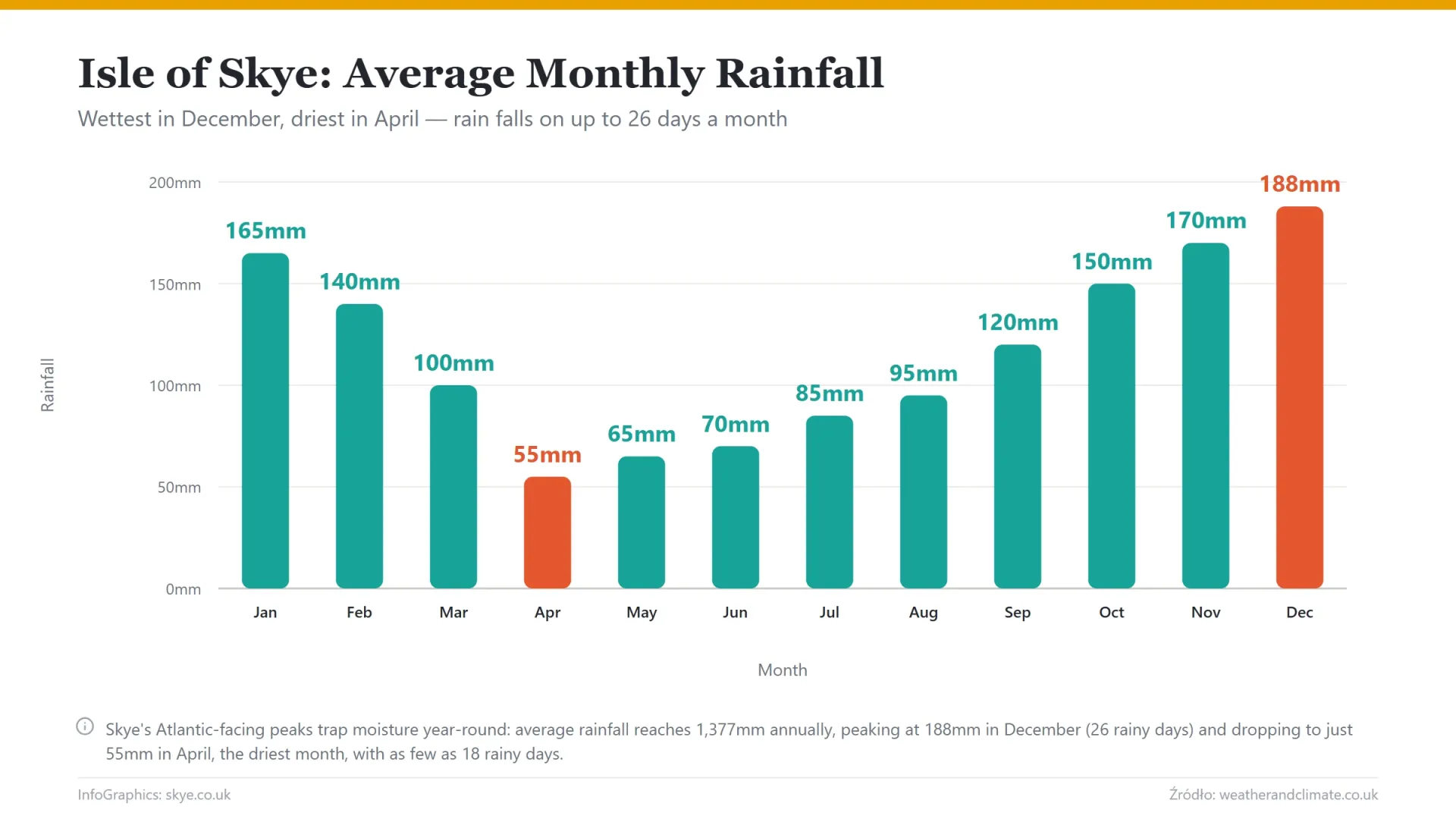
The short answer is yes. The Isle of Skye experiences a notoriously dynamic maritime climate, shaped directly by its position on the edge of the North Atlantic. Weather systems sweep in unhindered from the ocean, colliding with the jagged peaks of the Cuillin range and the rugged plateaus of the Trotternish peninsula. This frequent meeting of moist air masses and high topography results in substantial annual rainfall, shifting skies, and notoriously fast-changing conditions where heavy downpours can clear into brilliant sunshine within minutes.
Rather than ruining an itinerary, this frequent precipitation is the lifeblood of the island's haunting beauty. The relentless rain feeds hundreds of dramatic waterfalls, fills roaring rivers, and drapes the dramatic landscapes in misty, moody veils that have inspired artists, writers, and travelers for centuries. Encountering the Isle of Skye in bad weather is not a secondary experience; it is the definitive way to witness the Hebrides in their most authentic, dramatic, and atmospheric state.
To truly enjoy these tempestuous conditions, preparation is everything. Experienced travelers know that traditional umbrellas are entirely useless against the fierce, swirling gusts that frequently accompany Highland storms. Instead, thriving on the island requires an investment in technical, high-performance waterproof gear. Breathable Gore-Tex shells, durable hardshell trousers, and heavy-duty waterproof footwear are absolute necessities for staying dry and comfortable while out exploring.
Equipped with the right apparel, you can step out fearlessly into the mist, transforming a rainy forecast into an unforgettable Scottish adventure.
What to Do in Portree in the Rain: Culture, Cafes, and Charm
When the Hebridean weather turns unruly, Portree transforms into the ultimate sheltered haven for travelers stranded by a downpour.
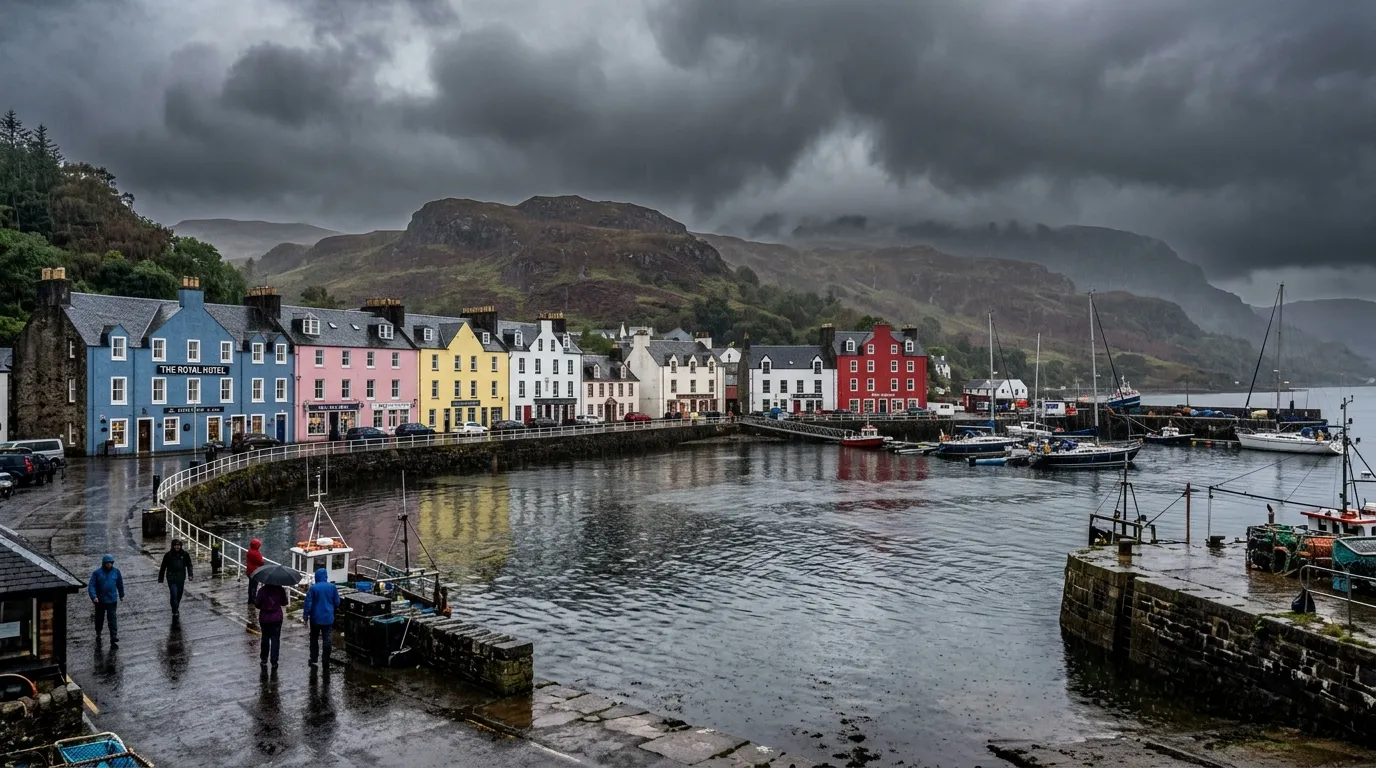
As the largest town on the island, Portree effortlessly balances rugged charm with cozy indoor escapes, ensuring your rainy day remains far from ruined. Nestled around its famous natural cliff-backed harbor, this vibrant hub features a compact layout that makes ducking out of a sudden squall wonderfully straightforward. Whether you want to dive into local heritage, catch an independent film, or simply watch the wind whip across the bay from the comfort of a steaming mug, Portree offers a wealth of welcoming doors.
Begin your rainy day exploration by immersing yourself in the town's cultural and creative offerings. The Skye and Lochalsh Archive Centre provides a fascinating deep dive into local history, housing extensive records, historic photographs, and genealogical documents that tell the story of the island's past communities. If you prefer cinema, head to Las Cinema located at the Aros Centre, where you can escape the horizontal rain and enjoy contemporary film screenings, independent features, and local documentaries in a comfortable, modern auditorium.
Cafe Arriba: Famous for its vibrant, bohemian atmosphere overlooking the harbor, serving hearty breakfasts, gourmet soups, and rich hot chocolates loaded with marshmallows.
Birch: A sleek, minimalist specialty coffee shop offering expertly roasted brews, artisanal teas, and fresh-baked cardamom buns that instantly cure the chill.
Isle of Skye Baking Co.: A short drive from the center, renowned for its mouthwatering traditional shortbread, warm artisan loaves, and hearty lunchtime soups.
After soaking in the culture, waiting out the squalls in Portree's renowned cafe scene is practically a rite of passage. The town's eateries specialize in transforming dismal weather into an excuse for indulgence. Finding a window seat where you can watch the rain ripple across the harbor while savoring locally sourced baked goods and warming beverages turns a gloomy afternoon into one of the highlights of your trip.
By anchoring your wet-weather itinerary in Portree, you can easily trade horizontal rain for rich local culture, cinematic treats, and comforting culinary spots.
Historic Sanctuaries: Castles and Indoor Museums
When horizontal rain sweeps across the Hebrides, seeking refuge inside Skye's historic sanctuaries offers a fascinating journey back through centuries of clan warfare, Gaelic folklore, and resilient island traditions.
At the heart of the island's historical heritage is Dunvegan Castle and Gardens, majestically perched on the shores of Loch Dunvegan. As the ancestral seat of the Chiefs of Clan MacLeod for over 800 years, this fortress provides a sprawling indoor retreat where you can escape the elements entirely. Inside the castle, visitors can wander through heavily decorated state rooms filled with centuries-old oil portraits, historic clan heirlooms, and legendary artifacts like the Fairy Flag—a sacred silken banner said to possess miraculous powers in battle. Even when the surrounding sea loch is shrouded in mist, the interior galleries offer hours of dry, captivating exploration into the clan's tumultuous past.
For a deeper dive into the everyday heritage of the island's ancestors, head north to the Skye Museum of Island Life in Kilmuir. This open-air yet largely immersive experience centers around a group of thatched blackhouses that faithfully recreate nineteenth-century crofting life. Stepping inside these low-slung stone and turf cottages shields you from the biting wind while revealing how families once lived side-by-side with their livestock under a single, peat-smoked roof. The authentic interiors, complete with period furniture and domestic tools, paint a vivid picture of survival against the formidable elements of the Scottish Atlantic coast.
Further south, Armadale Castle Gardens and Museum serves as the spiritual home of Clan Donald. While the romantic nineteenth-century Gothic castle itself stands largely as a stately ruin, the adjacent Museum of the Isles is a modern, fully indoor facility that tells the epic story of the Lord of the Isles and the turbulent history of the West Highlands. Interactive exhibits, rare artifacts, and comprehensive genealogical records make it an ideal way to spend a wet afternoon absorbing centuries of maritime and clan history in total comfort.
Check seasonal opening times for Dunvegan Castle and local museums, as many operate on reduced hours during the winter storm season.
If you are traveling with family or looking for something wonderfully niche to break up a dreary afternoon, Skye is home to several smaller, quirky exhibitions. The Staffin Dinosaur Museum on the Trotternish Peninsula houses a fascinating collection of fossilized dinosaur footprints and bones discovered along the nearby beaches, offering a brilliant indoor diversion for curious minds of all ages. Similarly, the Giant MacAskill Museum in Dunvegan celebrates the life of Angus MacAskill, a towering nineteenth-century local who achieved fame as the world's tallest true giant. These compact, characterful stops provide quick, engaging shelter from sudden downpours without sacrificing your daily dose of discovery.
Exploring these ancient strongholds and niche cultural hubs ensures that a stormy forecast transforms into an enriching journey through Skye's storied past rather than a wasted day.
Taste the Highlands: Distillery Tours and Pairings
When horizontal rain and chilly gales sweep across the landscape, seeking refuge inside one of the island's renowned distilleries offers the ultimate Highland wet-weather retreat.
There is perhaps no better antidote to a miserable, waterlogged day on the Isle of Skye than stepping away from the elements and into the warm, aromatic embrace of a traditional whisky distillery. The heavy peat smoke, the hum of copper machinery, and the rich, warming notes of single malt provide an immediate sensory escape from the damp chill outside. Whisky production is deeply intertwined with the heritage and weather of the Inner Hebrides, making a tasting tour an authentic cultural immersion when outdoor excursions are off the table.
At the heart of the island's distilling scene is the iconic Talisker Distillery, located in the village of Carbost. As the oldest working distillery on Skye, Talisker sits dramatically on the shores of Loch Harport, offering moody, atmospheric views across the water toward the jagged peaks of the Cuillin range. Visitors can take guided tours through the historic production floor, learning about the distinct maritime maturation process that gives the spirit its characteristic peppery spice and smoky sweetness, before finishing with a warming dram in the tasting room.
For travelers looking to explore further, the island's distilling landscape extends beyond Carbost. On the lush and sheltered Sleat Peninsula in the south, Torabhaig Distillery represents a fascinating blend of heritage and modern craft, operating out of a thoughtfully restored 19th-century farm steading. Alternatively, on a day when the winds are manageable, taking a short ferry trip across the sound to the Isle of Raasay Distillery allows you to combine a scenic boat journey with a tour of a cutting-edge island distillery complete with stunning views back toward the Skye coast.
To round out a rainy afternoon in Carbost, pairing your distillery experience with local culinary delights is a must. Just up the hill from Talisker, The Oyster Shed offers freshly harvested local shellfish and hot smoked salmon, which can be enjoyed with a view of the loch. For a cozy sit-down meal by a crackling fireplace, The Old Inn in Carbost welcomes damp explorers with hearty pub fare, local ales, and a genuinely warm Highland atmosphere.
Indulging in Skye's world-class spirits and hearty local fare transforms a dismal weather forecast into a memorable, deeply comforting Hebridean experience.
The Skye Artisan Trail: Crafts and Creative Studios
When horizontal rain sweeps across the Hebridean landscape, turning outdoor adventures into a test of waterproof endurance, the Isle of Skye’s vibrant creative community offers a warm, inspiring sanctuary for travelers.
Rainy afternoons on the island provide the perfect opportunity to slow down and explore the rich tapestry of local craftsmanship, where ancient traditions are kept alive by contemporary makers, weavers, and potters. Ducking into a studio or workshop not only rescues your afternoon from the elements but also allows you to directly support the independent artisans and crofting communities that form the beating heart of Skye’s culture. From the northwestern shores of Waternish down to the heritage-rich Sleat Peninsula, the island boasts a thriving artisan trail where every door opens to the scent of burning peat, freshly worked wool, or fine pine and clay.
One of the absolute crown jewels of this wet-weather itinerary is Skyeskyns, located on the picturesque Waternish Peninsula. As Scotland's only remaining traditional commercial sheepskin tannery, it offers a fascinating glimpse into a centuries-old craft. Visitors can take engaging, free guided tours of the tannery floor to witness the meticulous, hands-on process of salting, washing, and softening sheepskins using natural methods. Afterward, the adjoining showroom invites you to browse sumptuously soft fleeces, bespoke rugs, and gorgeous woolen garments that provide ultimate comfort against the Highland chill.
Continuing your creative journey across the island leads you to other world-class studios that celebrate local materials and ingenious techniques. At Edinbane Pottery, nestled in a charming village setting, you can watch master potters shape functional and decorative ceramics inspired by the rugged hues of the surrounding landscape. Further immersion in textile arts awaits at Skye Weavers, where you can watch artisan weavers craft stunning woolens using a unique bicycle-pedal-powered loom. The rhythmic hum of the pedals and the vibrant heaps of locally sourced wool make it a mesmerizing spot to wait out a downpour. Additionally, the Skye Silver Workshop showcases intricate jewelry inspired by Celtic heritage and local flora, while the nearby Raasay Gallery offers breathtaking visual art displays that capture the moody, atmospheric beauty of the region even when the skies are at their grayest.
Studio/Workshop Name
Craft/Specialty
Location/Peninsula
Skyeskyns
Traditional sheepskin tannery and luxury fleeces
Waternish Peninsula
Edinbane Pottery
Handmade stoneware and domestic ceramics
Edinbane
Skye Weavers
Woolen textiles crafted on bicycle-pedal looms
Glendale
Skye Silver Workshop
Celtic and nature-inspired fine jewelry
Broadford
Raasay Gallery
Fine art and landscape paintings
Isle of Raasay
Exploring these artisan hubs transforms a dreary, weather-delayed itinerary into one of the most culturally rewarding parts of your Highland holiday.
By investing your time in Skye's creative studios, you bring home not just a tangible piece of Hebridean history, but a deeper connection to the people who call this dramatic island home.
Safe Outdoor Explorations: Low-Level Walks vs. High-Risk Hikes
Navigating the dramatic landscapes of the Isle of Skye during inclement weather requires a careful balance between adventure and self-preservation.
When heavy rain, low-hanging clouds, and high winds sweep across the island, the environment shifts dramatically. While a bit of Scottish mist can add a moody, atmospheric charm to your journey, severe weather introduces genuine hazards to the island's more rugged terrain. Understanding the critical difference between safe, low-level exploration and hazardous mountaineering is essential for any traveler looking to experience Skye's wilderness without putting themselves at risk.
The golden rule of exploring the outdoors on Skye during a storm is to respect the elements. Mountain rescue teams are frequently called out to assist unprepared visitors who underestimate how quickly the weather can deteriorate at higher elevations. Rain turns steep paths into slippery mud chutes, high winds can make exposed ridge walking perilous, and thick fog or whiteout conditions completely obliterate visibility, making navigation nearly impossible even for experienced hikers.
Fortunately, severe weather does not mean you have to abandon the great outdoors entirely. By adjusting your itinerary to favor sheltered coastal paths, low-level glens, and swollen waterfalls rather than exposed summits, you can still witness the raw power and beauty of the landscape safely. Proper waterproof gear, sturdy footwear, and a flexible mindset will allow you to enjoy the scenery while keeping safety your top priority as you transition into exploring specific high-risk peaks and rewarding wet-weather walks.
Can You Do Old Man of Storr in the Rain?
Tackling high-altitude landmarks during adverse weather requires careful consideration of safety hazards and visibility limitations.
When facing the prospect of exploring the Isle of Skye in bad weather, many travelers wonder whether iconic high-elevation hikes remain accessible. The short answer is that while a light, steady drizzle combined with proper gear might not stop a determined hillwalker, tackling rugged paths like the Old Man of Storr or the Quiraing during heavy rain and high winds is genuinely hazardous and strongly discouraged.
The terrain along the Trotternish peninsula is notoriously unforgiving when saturated. The well-trodden earthen tracks quickly transform into slick, treacherous mud glissades, while the steep basalt rock steps and boulder fields become extremely slippery underfoot. A simple misstep on the higher reaches can easily lead to severe ankle sprains or worse. Furthermore, low-hanging clouds and torrential downpours frequently create complete whiteout conditions, meaning the dramatic rock pinnacles and sweeping coastal vistas that you came to see will be entirely invisible.
Mountain Rescue on Skye frequently responds to hikers trapped by sudden weather shifts. Never attempt the Trotternish Ridge in gale-force winds or poor visibility.
If a severe storm warning or heavy rain is forecasted, the wisest course of action is to completely postpone your steep mountain ascents. Choosing to swap a precarious cliffside trek for a sheltered indoor attraction or a low-level coastal walk ensures you stay safe while preserving your energy for when the Skye weather inevitably clears up.
Always check the local mountain weather forecasts before heading out to high-altitude trails, and do not hesitate to turn back if conditions deteriorate.
Embrace the Spate: Waterfall Viewing and Coastal Walks
When heavy downpours transform the landscape, Skye does not simply close down; rather, it shifts into a dramatic, high-energy spectacle of water and raw untamed nature.
Instead of viewing rain as an absolute spoiler, seasoned travelers know that wet weather vastly improves the island's countless water features, turning polite streams into roaring torrents and swelling hidden cascades overnight. This meteorological phenomenon, known locally as a spate, breathes ferocious life into the terrain, making it prime time for specific waterfall viewings and sheltered coastal routes where the sea puts on an equally impressive show.
Among the most rewarding stops during a heavy downpour is Kilt Rock and Mealt Falls, situated along the dramatic Trotternish coastline. Here, persistent rain feeds the loch above, forcing water to plunge nearly sixty meters directly off the basalt cliffs into the churning Atlantic Ocean below. The increased volume makes the waterfall thunderously loud and visually striking, while the surrounding mist weaves a moody, atmospheric veil over the columnar basalt cliffs. Similarly, the iconic Sligachan Old Bridge becomes a prime vantage point during wet weather, where visitors can stand and watch the River Sligachan rage beneath the ancient stone arches, fueled by runoff pouring down straight from the Cuillin mountains.
For those eager to stretch their legs without tackling dangerous mountain slopes, several low-level and coastal walks remain accessible and deeply atmospheric in the rain. The Two Churches Walk near Sleat offers a gentle, sheltered path weaving through woodlands and coastal scenery, far removed from exposed ridge lines. Near Broadford, following the historic Skye Marble Line provides an easy-to-navigate historical route along old tramway tracks, allowing for steady walking while keeping an eye out for moody views across the sea loch. If wind speeds are manageable, a trip out to Neist Point Lighthouse offers a breathtaking, bracing walk down the paved path into the teeth of the elements, where crashing waves against the sea stacks look magnificent under heavy skies.
Even the famous Fairy Pools near Glen Brittle take on a completely different character in the rain, transforming into a series of rushing, foaming torrents that rush through the black basalt rock channels. However, while the sheer volume of water makes the pools look profoundly powerful, extreme caution is required. Heavy rainfall frequently causes flash floods, turning shallow streams into treacherous, impassable torrents. Visitors must strictly avoid attempting any river crossings when water levels are high and fast-flowing, prioritizing safety while marveling at the liquid majesty of the Scottish Highlands from a secure distance.
Equipped with proper waterproof layers and a healthy respect for rising waters, embracing the spate offers an unforgettable perspective on the sheer geological and hydrological power of the Isle of Skye.
Knowing when to retreat from the heights and pivot to safer lowland routes ensures your Skye adventure remains memorable for all the right reasons.
Indoor Recreation and Wellness Escapes
When the Highland liquid sunshine turns heavy and persistent, active travelers and those seeking relaxation do not need to cut their itineraries short; instead, they can pivot toward the island's dedicated indoor recreation and wellness escapes.
For visitors looking to maintain their physical edge or burn off energy away from the soggy outdoor trails, the island offers specialized indoor sports facilities. Third Ridge provides an exceptional outlet for climbing and bouldering enthusiasts, featuring professionally routed indoor climbing walls that cater to various skill levels. Whether you are an experienced bouldering practitioner wanting to keep your fingers conditioned or a novice eager to try indoor climbing for the first time, this facility offers a safe, dry environment to challenge yourself physically while listening to the rain beat against the roof.
If you prefer precision and target sports over vertical ascents, A.C.E Target Sports delivers an engaging, weather-proof adventure. Located amidst the dramatic scenery of the island, this venue offers supervised archery and axe throwing sessions. Instructors guide participants through the fundamentals of handling bows and throwing heavy-bladed axes with accuracy, turning a miserable, stormy afternoon into an exciting and competitive indoor experience. It is a fantastic option for families, groups of friends, or solo travelers looking to try something entirely out of the ordinary during a washout.
After a bracing coastal walk or a morning spent battling the elements, true rejuvenation can be found on the wellness front. Booking restorative treatments at Lusan Spa offers the ultimate antidote to damp chill and wind-beaten skin. Tucked away from the harsh weather, the spa provides a tranquil sanctuary where heated therapy rooms, soothing massages, and holistic wellness rituals help thaw deep-seated cold. Immersing yourself in a massage or relaxation treatment allows you to completely decompress, melting away the physical tension of navigating the Scottish weather and leaving you thoroughly warmed and renewed for the rest of your trip.
Balancing high-energy indoor recreation with restorative wellness treatments ensures that a rainy day on the Isle of Skye becomes an opportunity for invigoration and self-care rather than a missed adventure.
Encountering the Isle of Skye in bad weather is never a wasted day; instead, it is an invitation to look past the standard tourist itinerary and dive deeply into the island's vibrant culture, rich history, and exceptional culinary scene. By maintaining a flexible mindset, packing high-quality waterproof clothing, and utilizing welcoming local pubs, artisan studios, and cozy cafes to dry off, you can turn any stormy afternoon into a highlight of your journey. Whether you are savoring a dram of single malt by a crackling peat fire or watching a swollen waterfall crash over dramatic basalt columns, Skye's moody atmosphere reveals a timeless, cinematic beauty that clear skies simply cannot match. Before setting out on your daily adventures, always remember to check local Met Office forecasts and mountain weather services to ensure your safety. With the right attitude and a solid contingency plan, a rainy day on the Isle of Skye becomes an essential and deeply rewarding part of your Highland experience.